About

当研究グループについて

Precisely analyzing
hidden internal structures with X-ray CT.
Supporting evaluation in research and development.

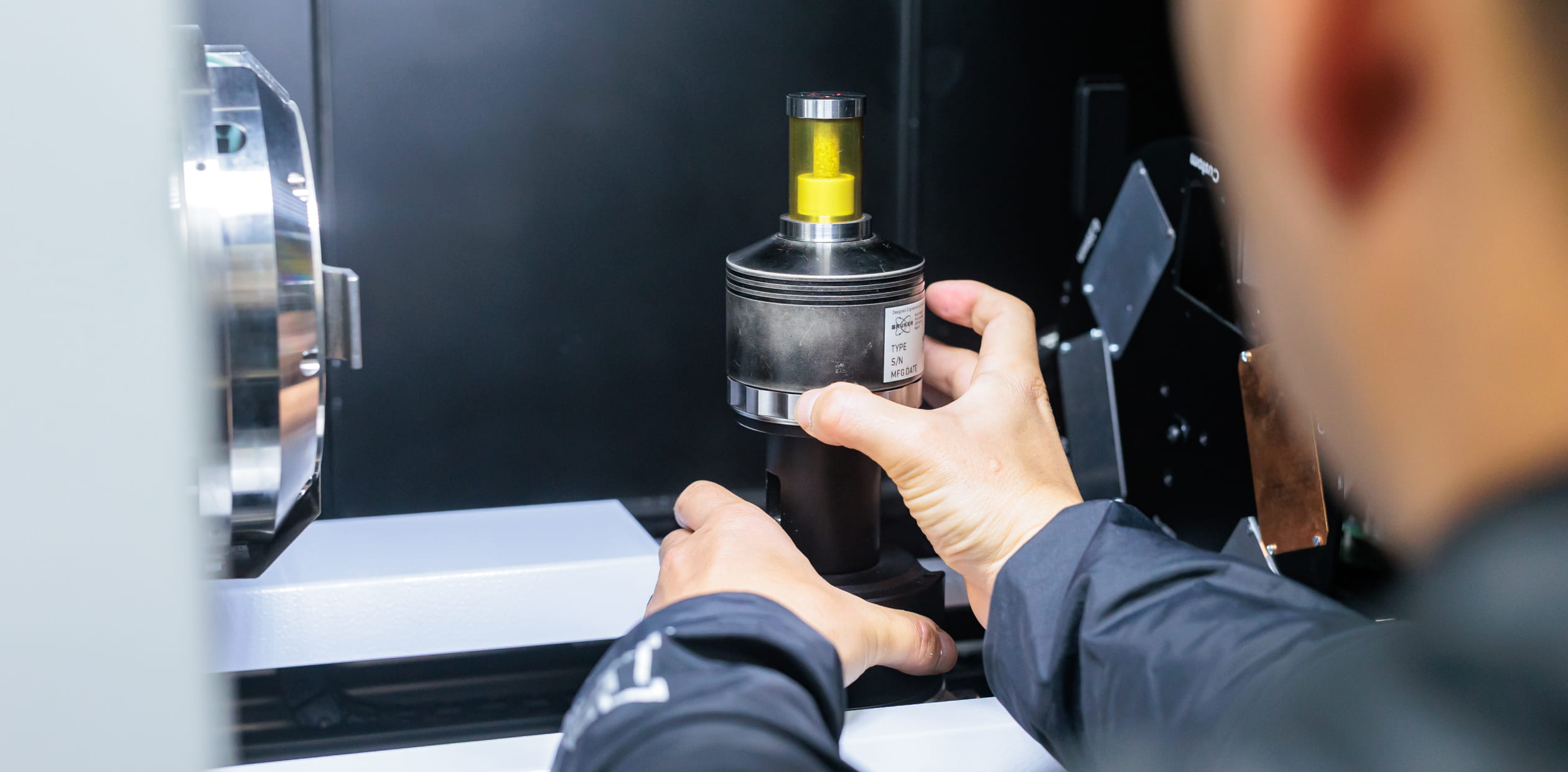
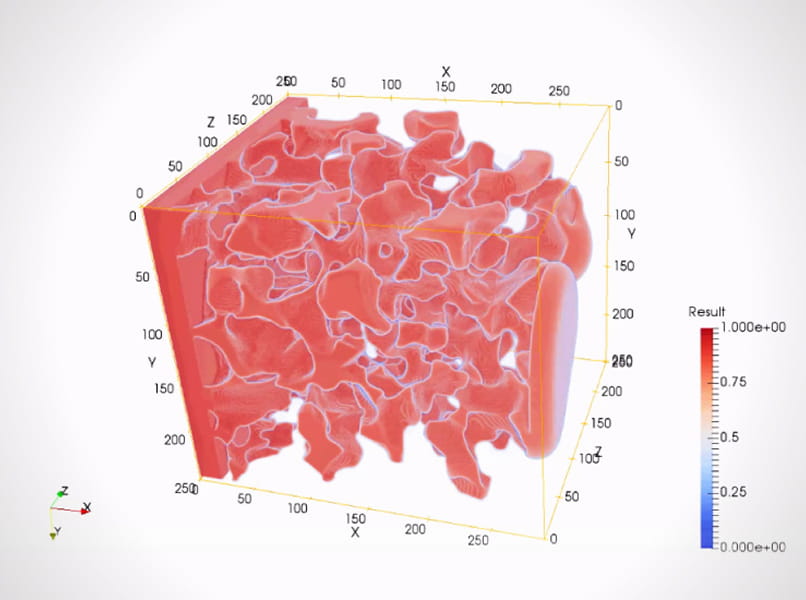
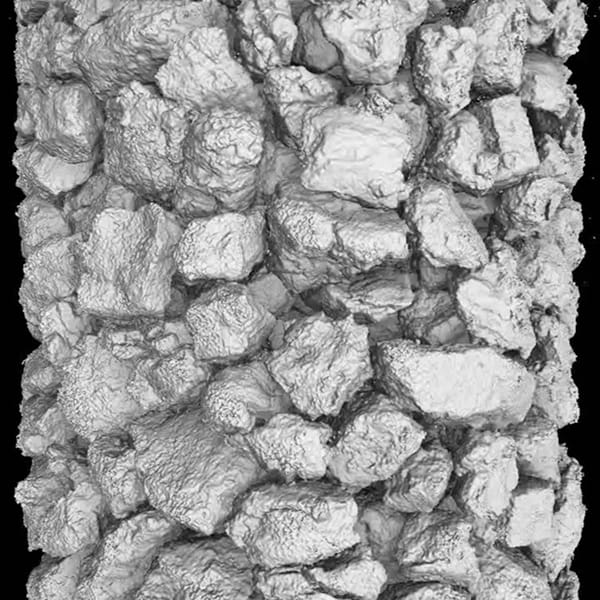
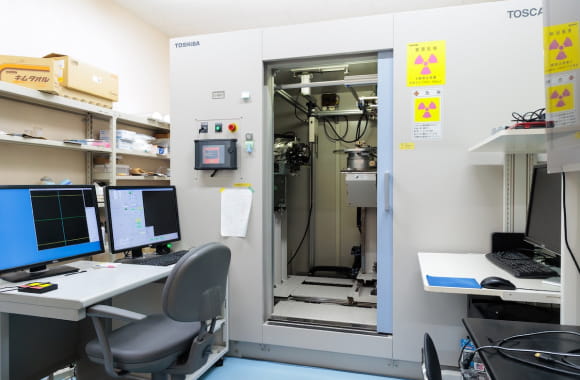
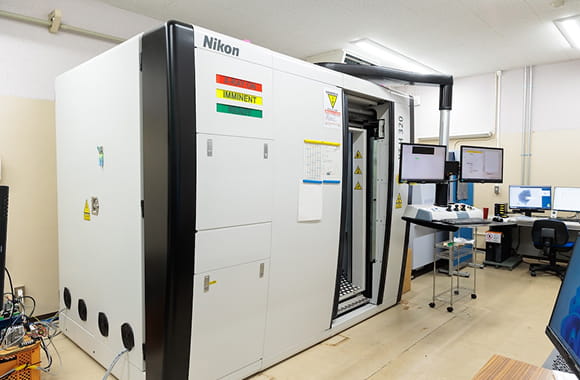
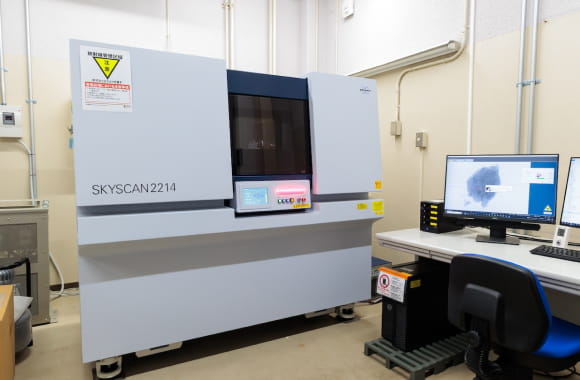
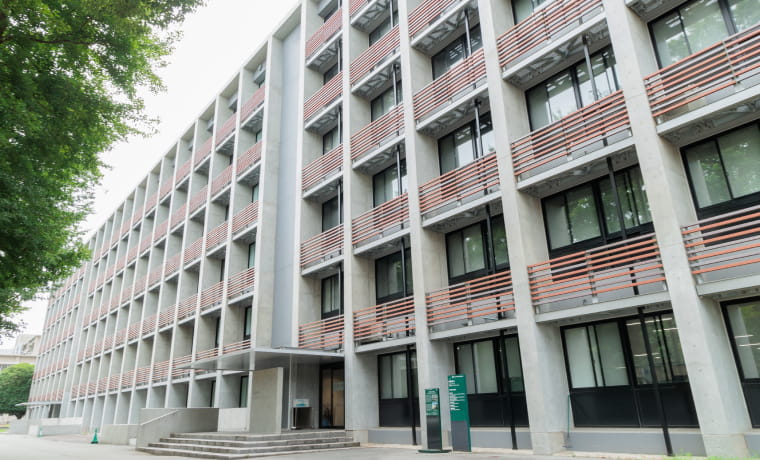
X-Earth Lab. is a research group established at Kumamoto University in 2008. Equipped with X-ray CT (computed tomography) systems, the group primarily studies the internal structures of a wide range of materials.

Main Research Fields

  • Earth Science and Civil Engineering

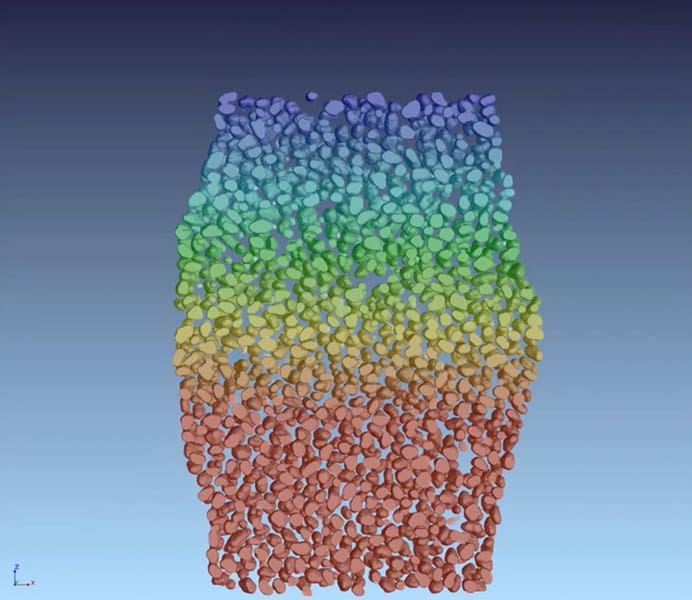
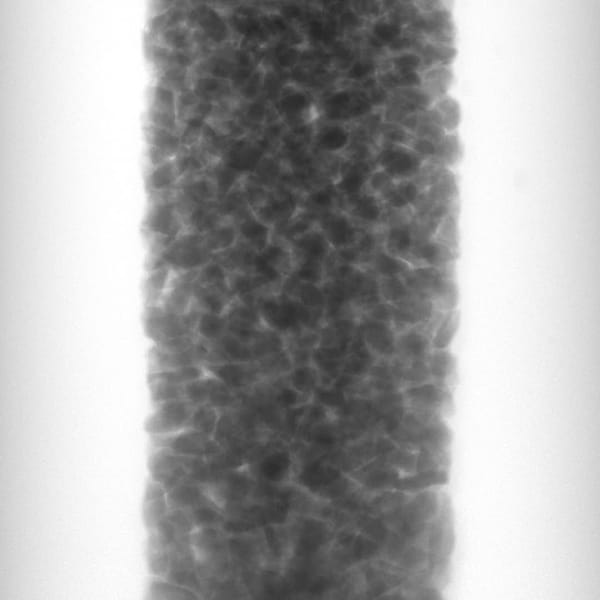
    • Analysis of the internal structures of rocks and soils
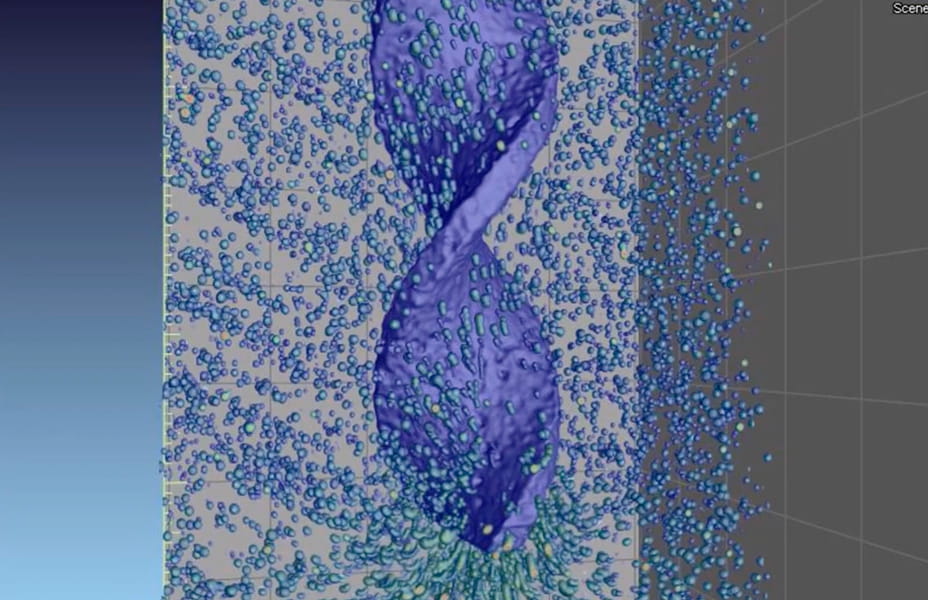
    • Fracture and crack propagation in ground and rock masses
    • Research on geohazards and environmental issues
  • Materials Science

    • Observation of internal defects in metals, concrete, and other materials
    • 3D analysis of microstructures
  • Humanities and Cultural Heritage Research

    • Non-destructive investigation of the internal structures of pottery and cultural heritage objects
    • Clarification of artifact production methods

Contract X-ray CT Testing

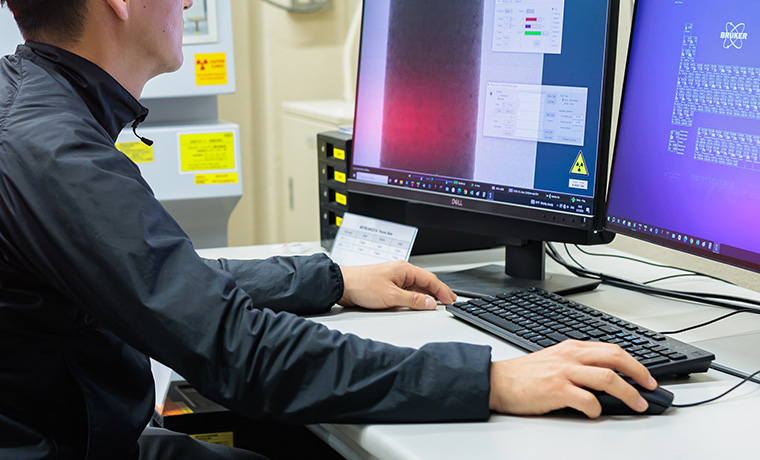
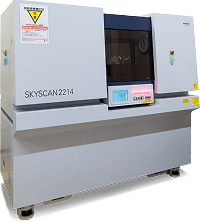
The Environmental Geotechnics Laboratory in the Faculty of Advanced Science and Technology at Kumamoto University provides contract X-ray CT testing using our research group's equipment.

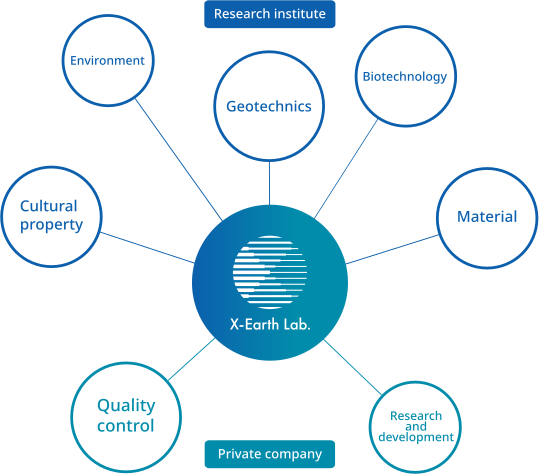
Our services are used by research institutions, private companies, and clients across many fields.

Diagram related to contract X-ray CT testing

Joint Research and Academic Consulting Programs

Companies and Research Institutions
Joint Research and Academic Consulting Programs
Kumamoto University

Joint Research

This program enables researchers at Kumamoto University and researchers from private companies or research institutions to work together on shared challenges and produce high-quality research outcomes. Intellectual property is shared between Kumamoto University and the requesting organization.

Academic Consulting Program

This industry-academia collaboration program allows Kumamoto University faculty and staff to provide advice, guidance, support for new business creation, technical research, and problem-solving for a wide range of corporate needs. A variety of options are available for challenges that arise at different stages of commercialization and industry-academia collaboration.

Message

Toward a Global Research Hub

When the internal state and conditions of a material are known, it is possible to predict and calculate the observable quantities that result from them. This approach is known as forward analysis. In contrast, the internal state of physical phenomena occurring inside a material cannot always be observed directly, but observable quantities inevitably contain traces of those phenomena. The method used to analyze what is happening, or what has happened, from those traces is known as inverse analysis. X-ray computed tomography, hereafter X-ray CT, is one practical form of inverse analysis and an outstanding non-destructive testing method. In the medical field, X-ray diagnostic technology has advanced dramatically. If the condition of an affected area inside the body is unknown, immediate surgery carries a major risk to the patient's life. X-ray diagnosis is, in essence, inverse analysis, and advances in this technology have made it an indispensable diagnostic method for surgical treatment. The technology has developed from radiography, commonly associated with Roentgen imaging, to X-ray CT, and its applications have expanded from medicine into science and engineering.

Kumamoto University's Rock Mechanics Research Group recognized the potential of X-ray CT early in this field and introduced an industrial X-ray CT scanner in 1997, ahead of many university institutions. The Geotechnical Engineering Research Group then joined the initiative, beginning research on the evaluation of physical properties of geomaterials such as soils and rocks, the independent development of experimental apparatuses that can be used inside an X-ray CT scanning room, and experimental evaluation of phenomena, including boundary value problems. In particular, the development of experimental apparatuses for CT scanning rooms and the visualization of internal behavior have become major strengths of our CT Research Group. Another strength is that Kumamoto University's CT Research Group helped expand the X-ray CT community worldwide. On November 6 and 7, 2003, the International Workshop on X-ray CT for Geomaterials (GeoX2003) was held here in Kumamoto. It was the world's first meeting dedicated to the application of X-ray CT to geomaterials. Since then, the workshop has continued in Aussois, France in 2006; New Orleans, USA in 2009; Quebec, Canada in 2013; Belgium in 2015; Cairns, Australia in 2019; and Manchester, UK, scheduled for 2026. The international research community continues to grow, with participation expanding into an even wider range of fields.

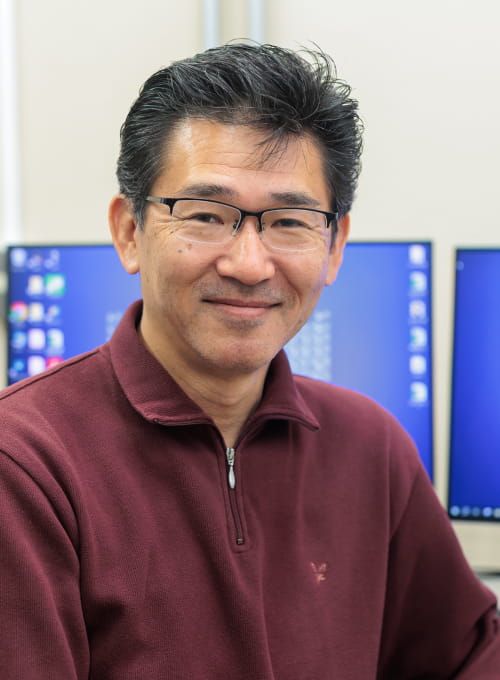
X-Earth Lab. Group Leader / Professor

椋木 俊文 Toshifumi Mukunoki

Faculty of Advanced Science and Technology, Kumamoto University

Department of Civil Engineering and Architecture
Civil and Environmental Engineering


Contract testing with
high-performance X-ray CT systems.

Usage Guide