2026.09.28
Student
New International Students Join the Lab
We welcomed a new master's student from Vietnam and a graduate exchange student from Bangladesh to our laboratory.
We welcomed a new master's student from Vietnam and a graduate exchange student from Bangladesh to our laboratory.
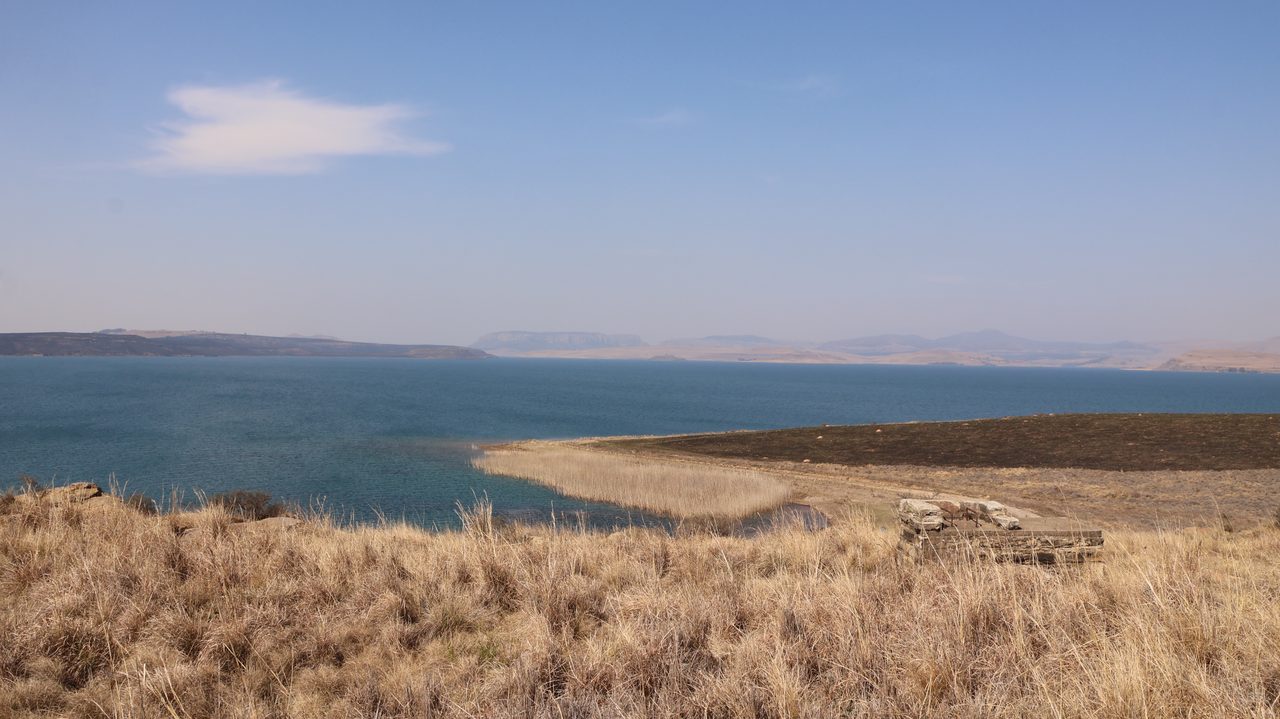
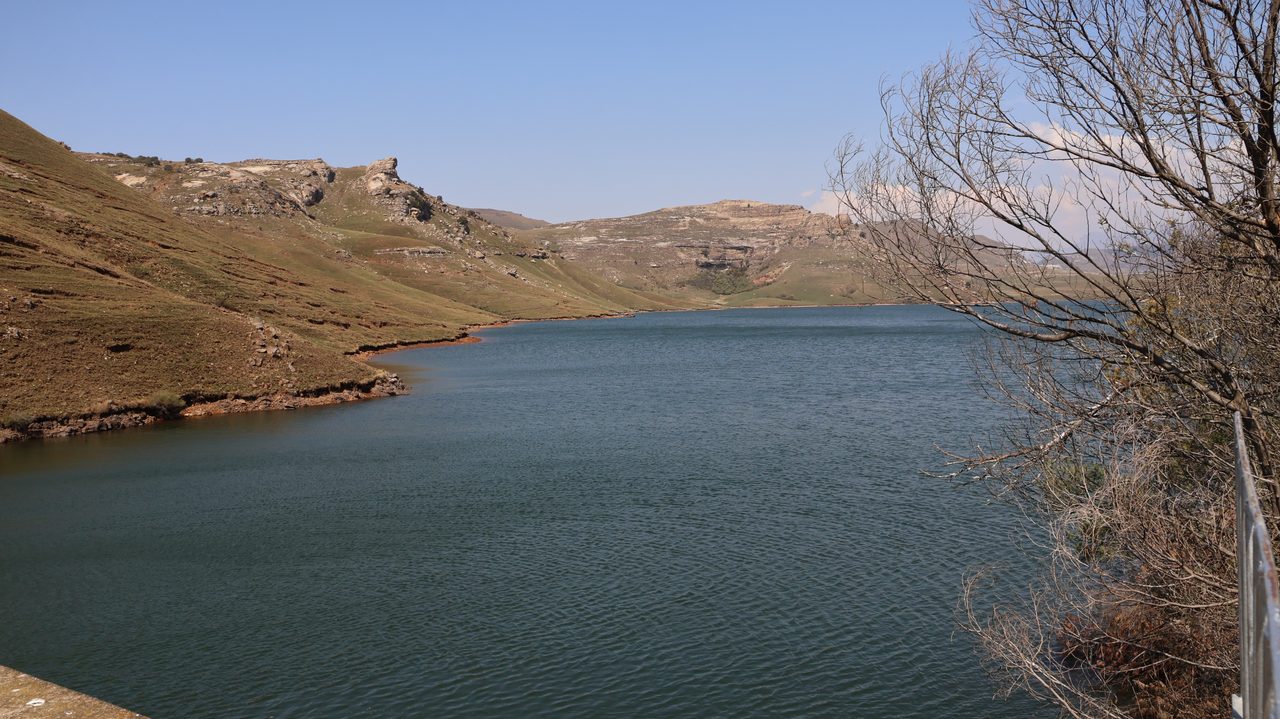
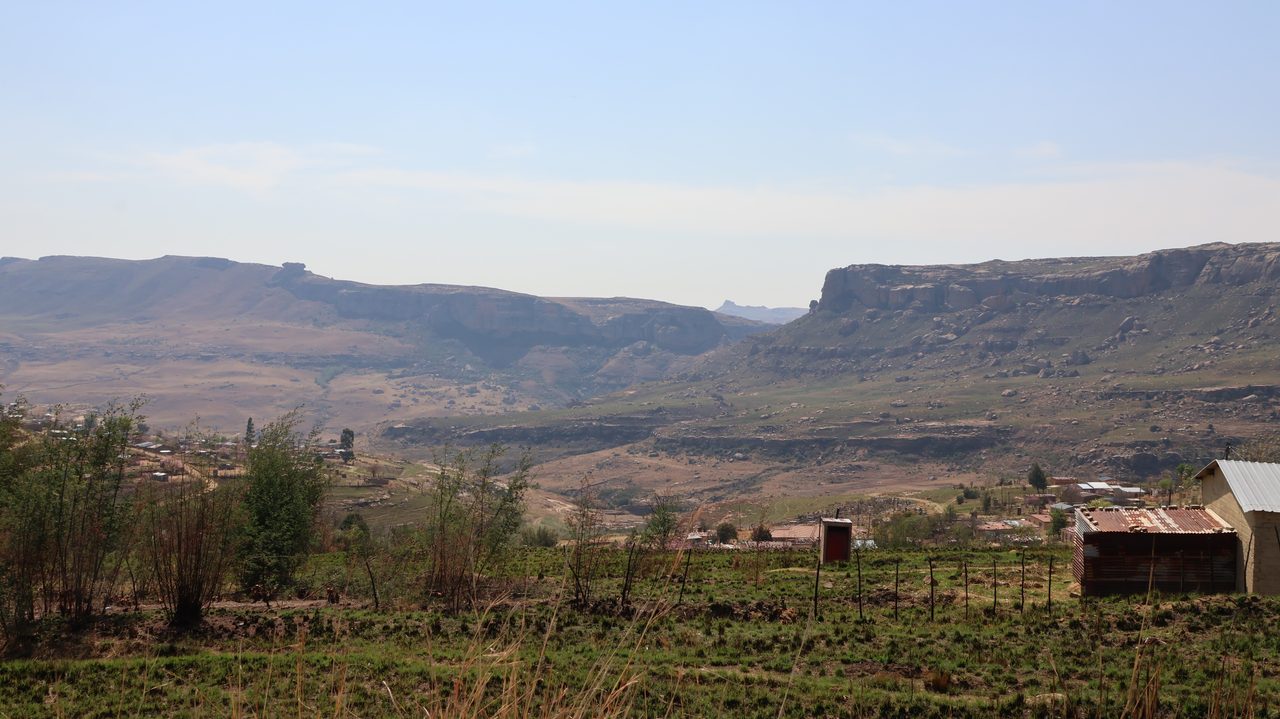
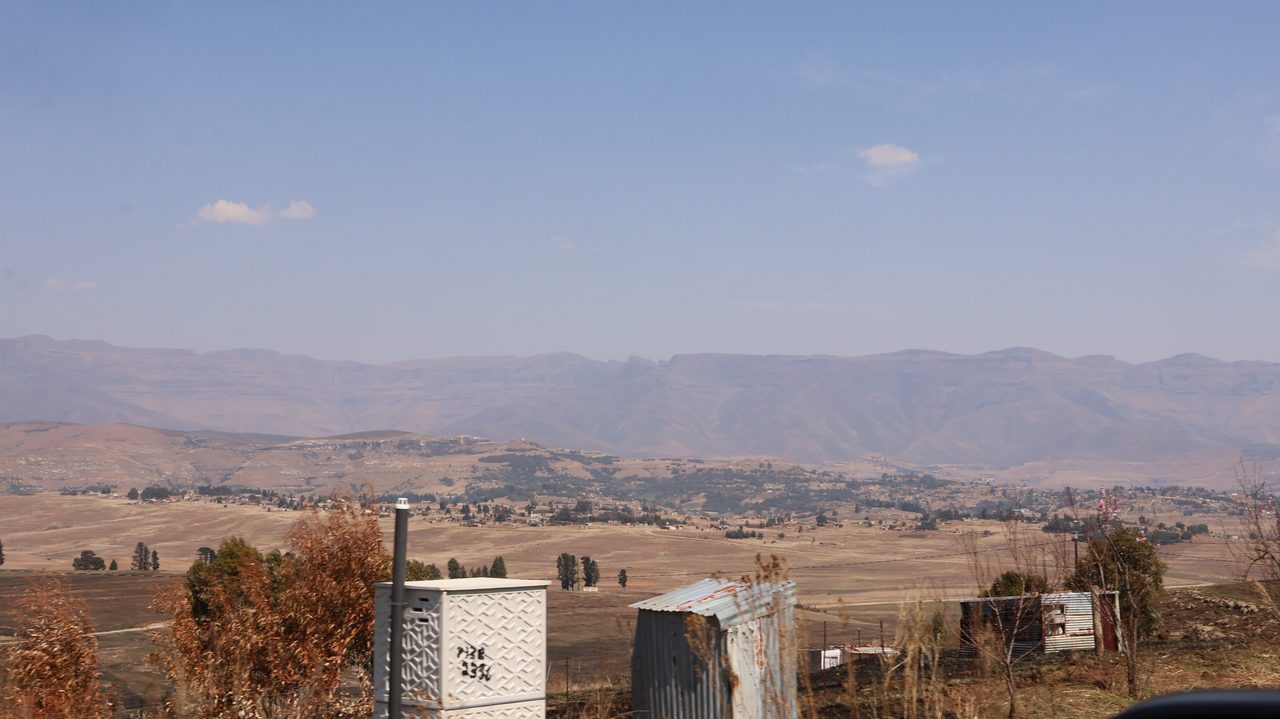
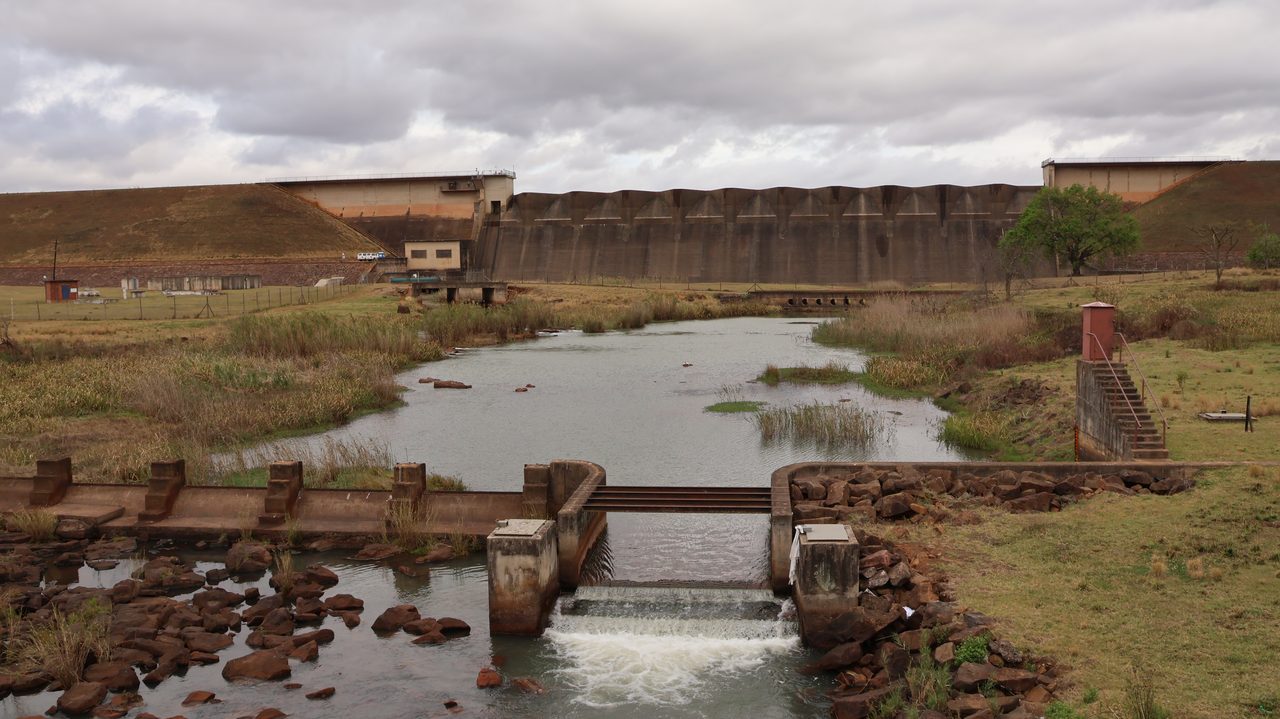
We conducted a field reconnaissance of our study sites in the upper Vaal Dam basin and along the east coast of South Africa.
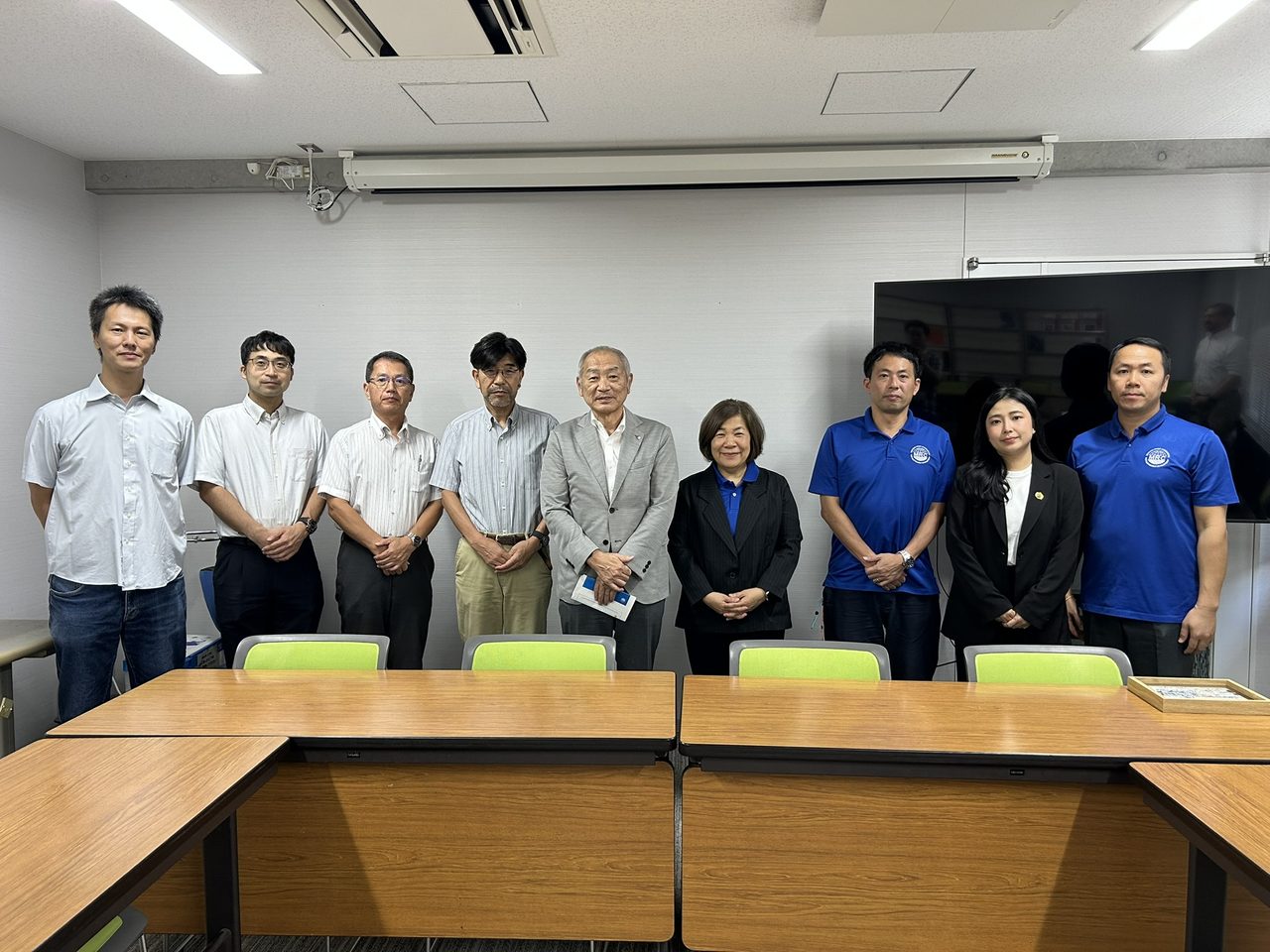
A delegation from the Mekong River Commission (MRC), led by the CEO of the MRC Secretariat, visited Kumamoto University. We shared our respective initiatives on groundwater management and discussed opportunities for future collaboration.
Our lab members gathered for a summer barbecue. Although the rainy season had already set in, the weather held up throughout the event. Getting the charcoal going took a little patience after a long break, but everyone had a great time and finished every last bite.

Our international collaborative paper, "Training strategies for PINNs and preliminary investigation of PINN-GCNs toward transient groundwater flow analysis," has been published in the JSCE journal Intelligence, Informatics and Infrastructure (AI and Data Science).
This study investigates groundwater flow modeling using Physics-Informed Neural Networks (PINNs), an approach that embeds governing physical laws directly into deep learning.
https://doi.org/10.11532/jsceiii.7.1_96
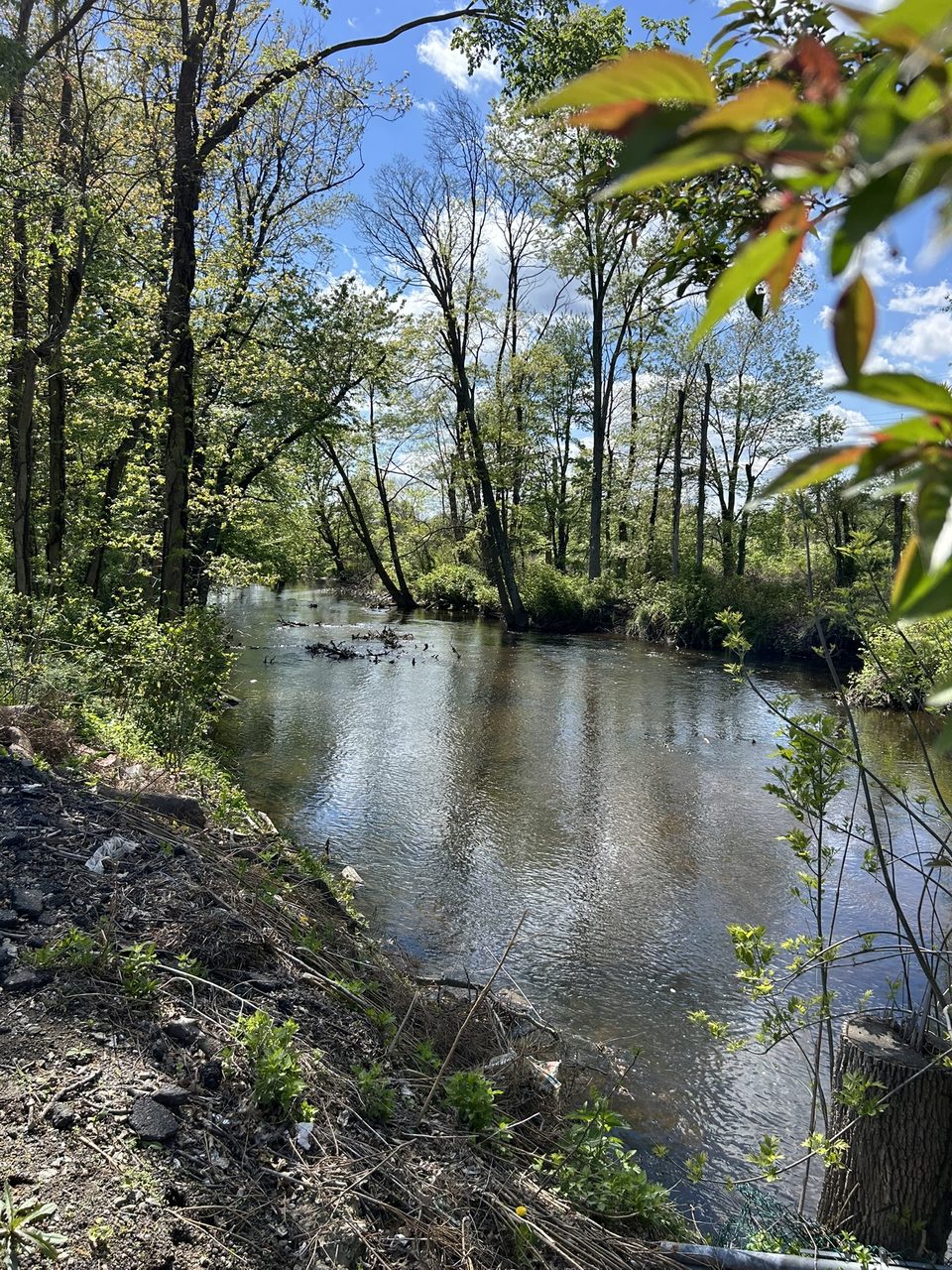
We conducted a field visit to the Passaic River basin on the U.S. East Coast, one of our active research watersheds.
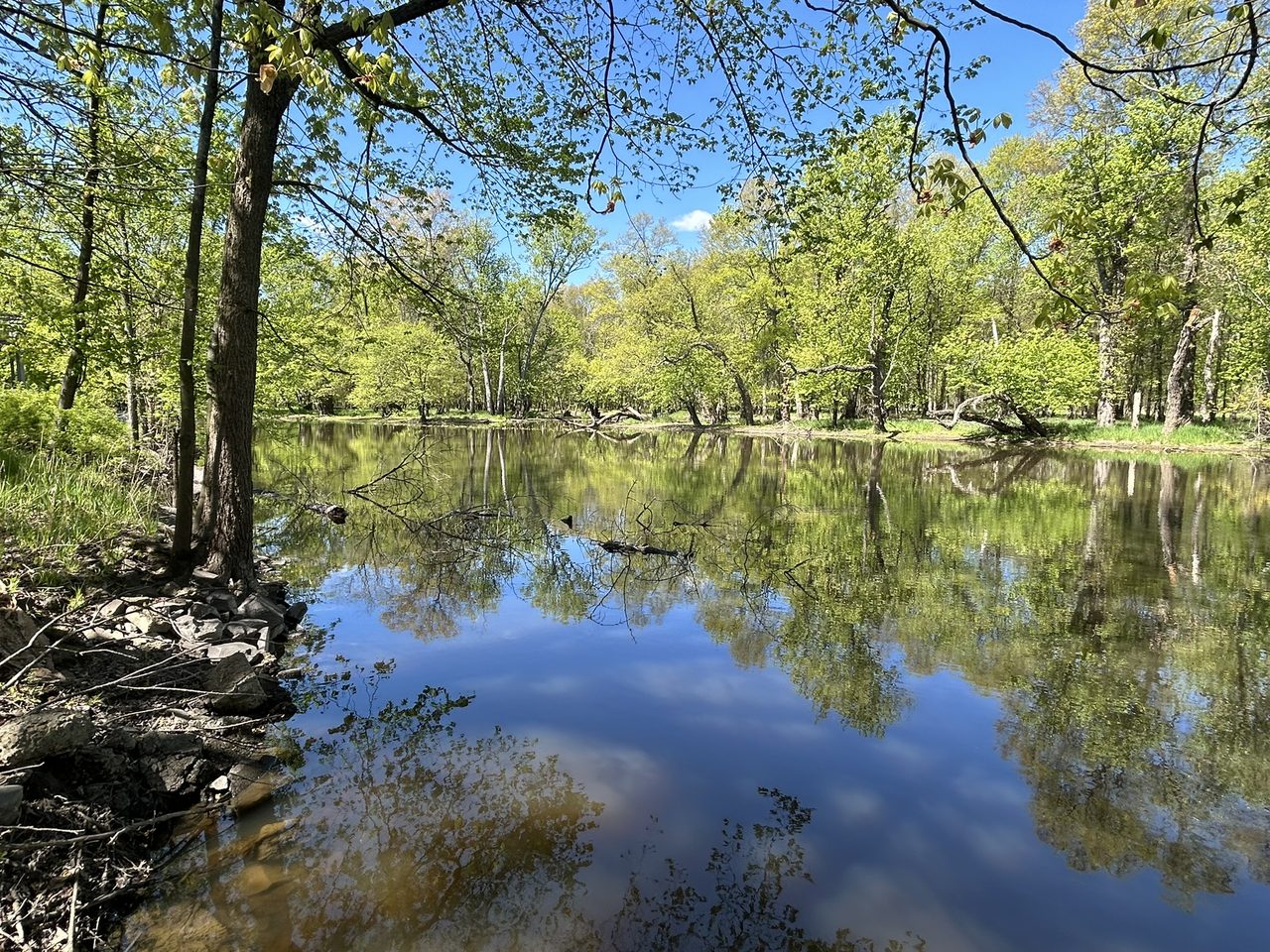
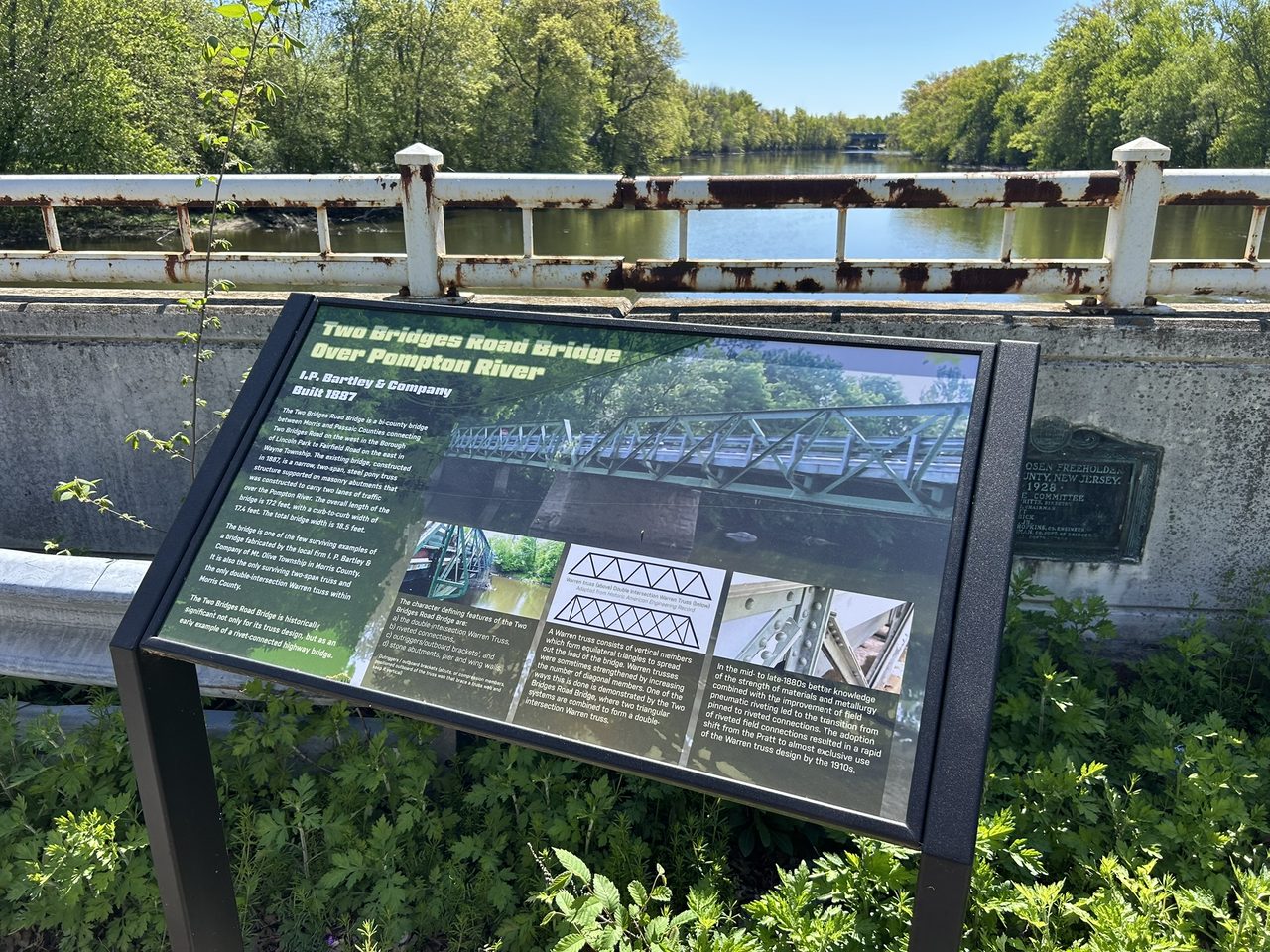
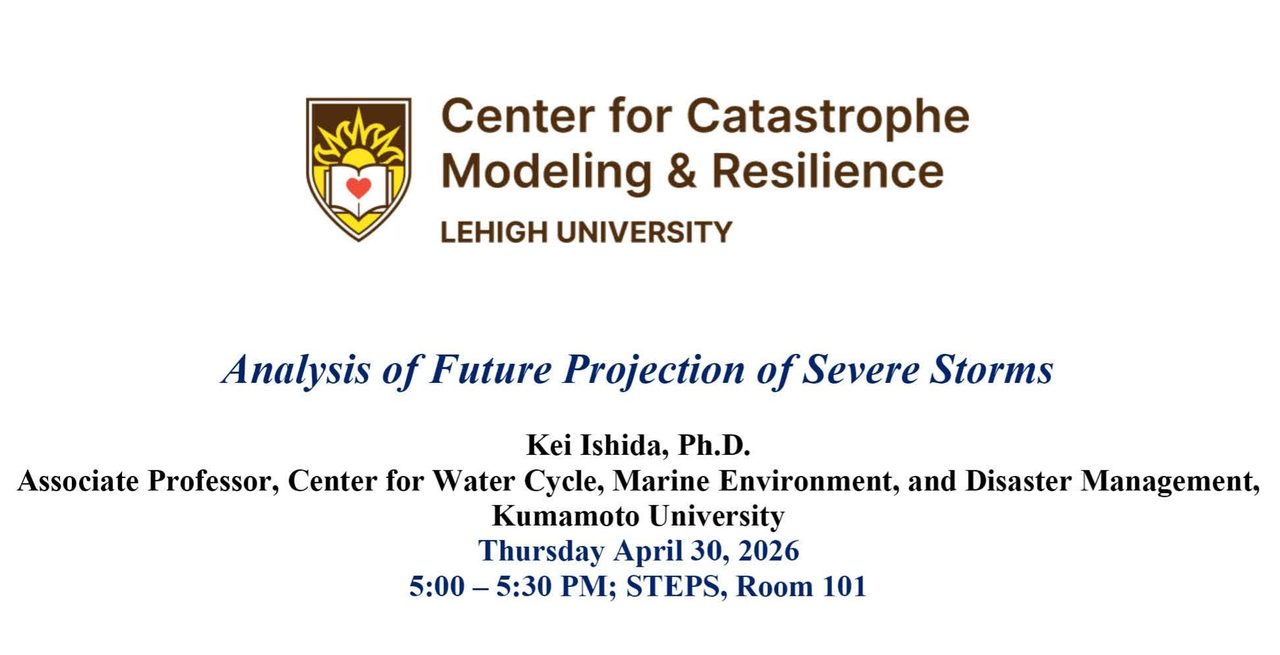
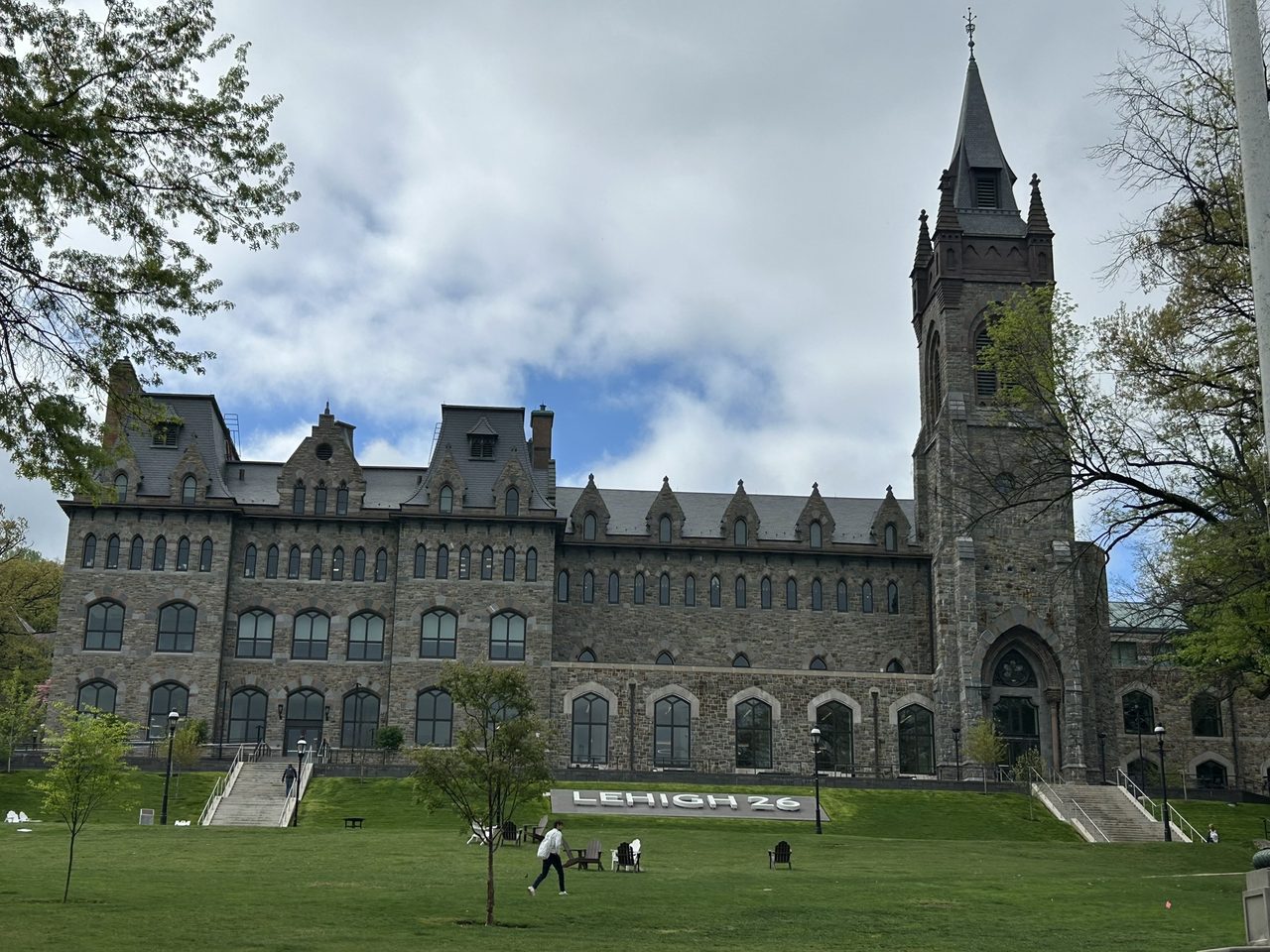
We delivered a seminar presentation on our collaborative research at Lehigh University in Pennsylvania, USA.
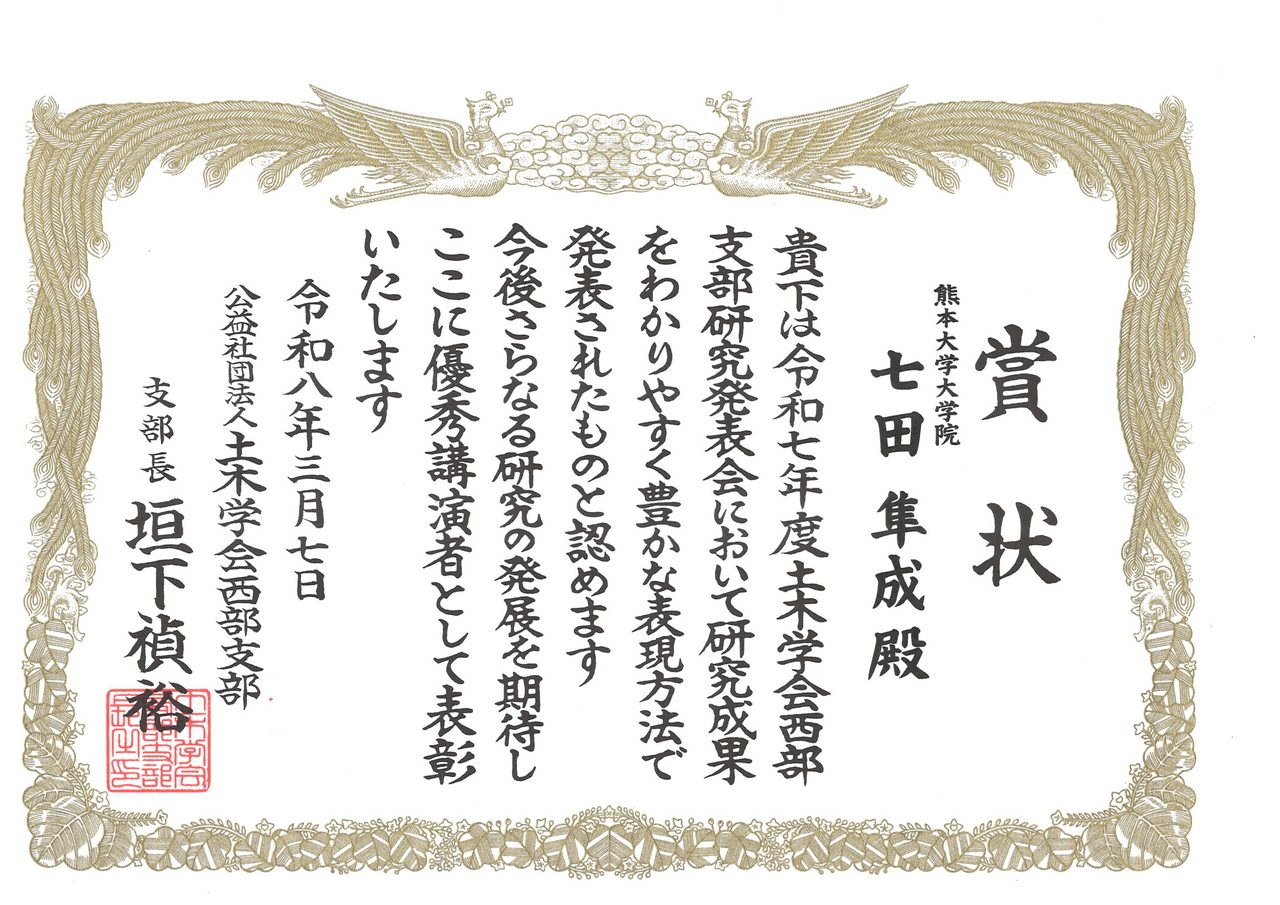
First-year master's student Junsei Shichida received the Best Presentation Award at the FY2025 Japan Society of Civil Engineers (JSCE) Western Branch Annual Research Conference, held in March 2026.
His study quantitatively evaluated the out-of-sample extrapolation capability of a deep learning rainfall–runoff model beyond the range of its training data. By selecting test subsets based on peak discharge magnitude rather than chronological splits, he assessed how well an LSTM network predicts extreme flows exceeding any previously observed training event—a long-standing challenge for data-driven hydrology. The results demonstrated reliable discharge predictions up to 2.09 times the maximum training peak, offering quantitative insight into the applicability and limits of AI models for projecting future flood peaks under climate change. Future work will extend this validation across additional Class A river basins in Japan.
Welcome to the official website of the Hydrology Lab at Kumamoto University.
Our international collaborative paper, "Spatiotemporal assessment of aridification in Europe (1950–2024) using bias-corrected high-resolution reanalysis dataset," has been published in Atmospheric Research.
Using the aridity index (AI)—defined as the ratio of precipitation to reference evapotranspiration—this study examined long-term aridification across Europe from 1950 to 2024. By bias-correcting the high-resolution ERA5-Land reanalysis dataset against ground-based observations, the study achieved fine-scale spatial accuracy across Europe's complex terrain. The findings reveal a fundamental 21st-century shift in the primary driver of European aridification—from declining precipitation to rising atmospheric evaporative demand—pointing to accelerating drying trends.
We delivered an invited lecture at the 39th Shiga Geotechnical Lecture Meeting in Otsu, Shiga Prefecture, presenting field survey findings and atmospheric mechanisms behind the August 2025 heavy rainfall disaster in Kumamoto.
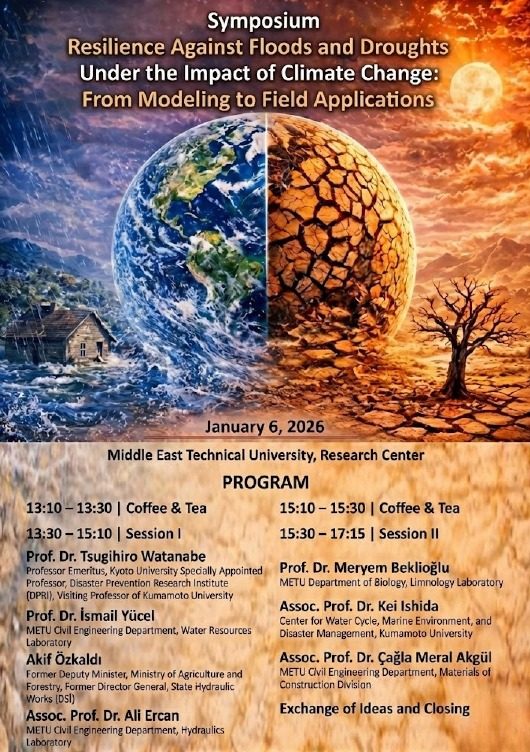
We were invited to speak at a symposium hosted by Middle East Technical University (METU) in Turkey, where we presented our laboratory's ongoing research.
We hosted the J-PEAKS Environmental Load and Infrastructure Countermeasures Unit Symposium under the theme "Creating New Knowledge That Integrates Broad Generality with Practical Problem-Solving." Distinguished invited speakers from Taiwan—including the Director-General of the Department of General Affairs of the Executive Yuan and the Deputy Director of the Disaster Prevention Research Center at National Cheng Kung University—delivered guest lectures.
Master's students Satori Teruya, Koichi Nagata, and Junsei Shichida presented their research at the 20th International Student Conference on Advanced Science and Technology (ICAST 2025), held in Chiayi, Taiwan, on November 26–27, 2025.
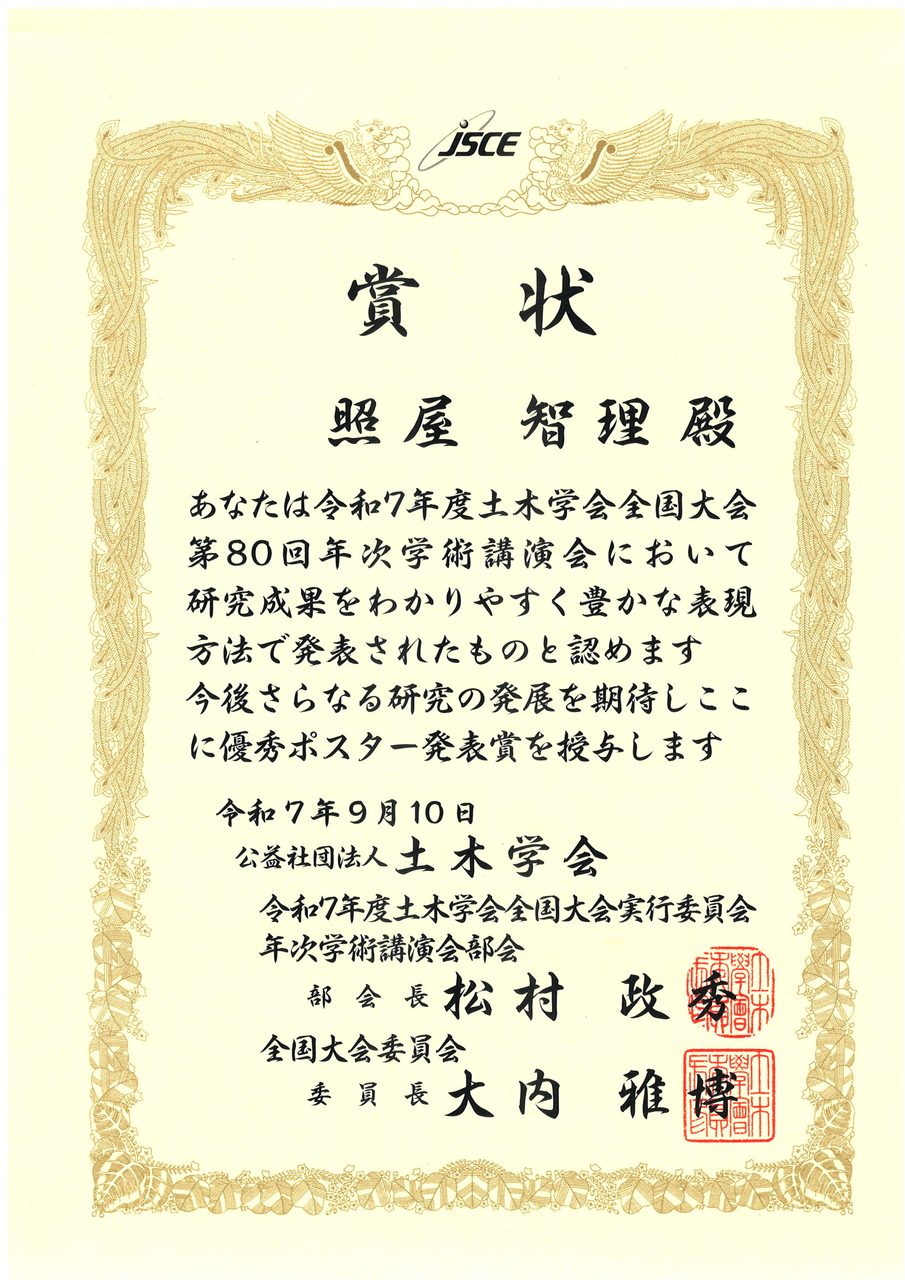
Second-year master's student Satori Teruya received the Best Poster Presentation Award at the 80th Annual Meeting of the Japan Society of Civil Engineers (JSCE), held in September 2025.
Drawing on nationwide geotechnical records published by the National Geotechnical Information Center, his study analyzed relationships among soil physical properties—focusing on hydraulic conductivity—and evaluated the accuracy of empirical estimation formulas. Comparing measured hydraulic conductivity and grain-size distributions against the classical Hazen formula demonstrated the narrow applicability range of simplified empirical equations. These findings support better use of geotechnical databases in groundwater modeling, with ongoing work incorporating machine learning to further improve estimation accuracy.
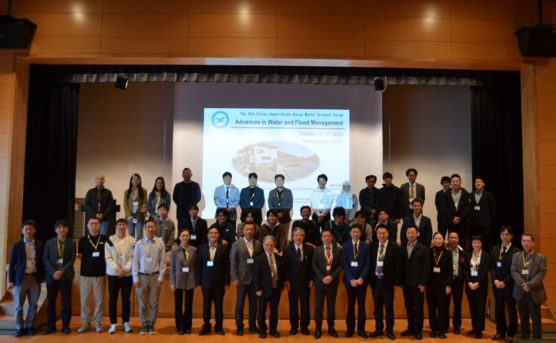
To strengthen East Asian research collaboration in water science, we welcomed researchers from Japan, China, and South Korea to Kumamoto University on October 30, 2025. Following a keynote address by Prof. Feng—Vice President of Southern University of Science and Technology and Professor at Tsinghua University—18 participants presented frontier research and engaged in lively discussions.